You Cut the Cable to Escape the Bundle. Congratulations, You Built a Worse One.
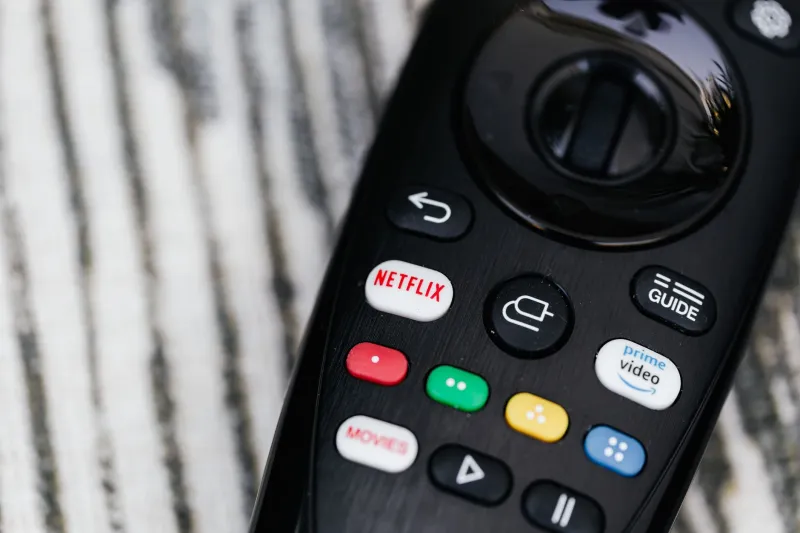
There was a moment — somewhere around 2013 — when cutting cable felt like a genuine act of liberation. You were done. No more paying for the Golf Channel. No more renting a cable box that looked like it was manufactured during the Clinton administration. Netflix had everything you needed, it cost less than a decent lunch, and you felt like a person who had finally figured something out.
That person was naive. That person is now paying for six streaming services, a "premium" tier on a seventh, and still can't find where they put Severance.
The Great Fragmentation (Or: How Greed Ate the Stream)
For a brief, shining window, streaming worked because content was centralized. Studios were happy to license their libraries to Netflix because Netflix money was good and the internet was still kind of a novelty. Then the studios realized they could just... do it themselves. Disney launched Disney+. NBCUniversal launched Peacock. Paramount launched Paramount+. Warner Bros. launched HBO Max, then renamed it Max, apparently to make it harder to Google.
Every major media conglomerate looked at Netflix's subscriber numbers and thought, we want that. What they built, collectively, was a content diaspora — a scattering of shows and movies across a dozen walled gardens, each requiring its own login, its own billing cycle, and its own unique way of designing a UI that makes finding a specific film feel like a scavenger hunt.
The irony is almost too clean: consumers fled cable because content was fragmented across channels they didn't want, locked behind a single expensive bundle. Streaming platforms have now recreated that exact structure, just without the physical remote. You're still paying for stuff you don't use. You're still hunting through menus. The only thing that changed is that you also have to remember twelve passwords.
The Price Hike Industrial Complex
Let's talk numbers, because the numbers are genuinely embarrassing. Netflix's standard plan has more than doubled in price since 2015. Disney+ launched at $6.99 and has climbed steadily while simultaneously adding an ad-supported tier — because nothing says "premium entertainment experience" like a Chevrolet ad interrupting your nature documentary. Hulu, which Disney also controls, charges separately. ESPN+, which Disney also controls, charges separately again. The Disney bundle that combines all three? Still more expensive than Netflix was when you first signed up, and you're still not getting everything.
Add in HBO Max (Max, sorry), Peacock, Paramount+, Apple TV+, and Amazon Prime Video — which technically comes with Prime shipping but has the audacity to charge extra for certain movies anyway — and you are looking at a monthly streaming bill that can easily clear $100 without breaking a sweat. That's roughly what cable cost. The cable you left.
The Spreadsheet Problem
Here's the user experience disaster that nobody at these companies seems embarrassed about: there is no longer a reliable way to know where a show lives without actively searching for it.
Want to rewatch The Bear? That's Hulu. The Last of Us? Max. Ted Lasso? Apple TV+. Only Murders in the Building? Also Hulu. Rings of Power? Prime Video. Andor? Disney+. Succession reruns? Max again. And if a licensing deal expires — which happens constantly and with zero warning — a show you were halfway through can simply vanish from the platform you expected it on and resurface somewhere else, or nowhere at all.
This is not a hypothetical inconvenience. People have genuinely lost track of shows mid-season because the mental overhead of managing a fragmented streaming portfolio is now legitimately high. There are third-party apps — JustWatch being the most popular — whose entire purpose is to tell you which streaming service currently has the thing you want to watch. We have built a search engine for the search engines. The web is eating itself.
Password Sharing: The Crackdown Nobody Asked For
For years, password sharing was the streaming industry's open secret — a kind of informal goodwill that kept subscriber numbers looking healthy while millions of people quietly mooched off a family member's account. Netflix tolerated it. Then Netflix's growth slowed, and Netflix decided it was actually a crisis.
The crackdown has since spread industry-wide. Netflix now charges extra for "additional members" outside your household. Other platforms are watching closely and drafting their own policies. The result is that the one genuinely consumer-friendly workaround — sharing access with a college kid or an elderly parent — is being systematically eliminated, replaced with paid add-ons and household verification systems that treat users like suspects.
This is the part where the internet's original promise — that digital content, being infinitely reproducible, could be shared freely and cheaply — runs headlong into the reality that shareholders exist and they are not satisfied.
The Bundle Is Back, Baby. They Just Changed the Name.
The final, darkest joke in all of this is that "bundling" has returned with a vengeance, dressed in new clothes. Disney bundles Disney+, Hulu, and ESPN+. Apple bundles TV+ with iCloud storage, Music, and Arcade in Apple One. Comcast — the cable company, the original villain of this whole story — bundles Peacock with its internet service. Verizon and T-Mobile offer streaming perks with phone plans.
We have arrived, full circle, at a place where you pay a large corporation a monthly fee for a package of content and services you didn't entirely choose, some of which you'll never use, at a price that will quietly increase every year. The interface is shinier. The remote is an app. The fundamental dynamic is identical.
So What Now?
The realistic answer, for most people, is rotation. Subscribe to one or two platforms, binge what you want, cancel, repeat. It's annoying, it requires calendar reminders, and it means you'll always be a few weeks behind the cultural conversation — but it's the only consumer strategy that actually pushes back against the model.
The streaming wars were supposed to produce a golden age of content. In some ways, they did — the sheer volume of prestige television in the last decade is genuinely staggering. But the delivery infrastructure built around that content has become a labyrinthine, expensive, user-hostile mess that makes finding and watching a show feel like filing a tax return.
The internet promised you everything, everywhere, for almost nothing. What it delivered, eventually, was cable with better thumbnails. Enjoy your free trial.